Dublin city centre, Docklands and coastal day-trip routes [email protected]  |  +353 1 912 6873

Plan a more relaxed Dublin visit, day by day

Harbour Roam Dublin is an independent itinerary-planning service for couples, families and small groups who want to explore Dublin at their own pace. We help you build a practical, day-by-day plan covering city-centre neighbourhoods, the Docklands waterfront and coastal day-trip routes — so you can spend less time searching and more time enjoying the city.

Start your planning conversation

Harbour Roam Dublin is an independent planning service. We are not affiliated with any tourism board, accommodation provider, transport operator or local authority. Planning calls available on weekday evenings and weekend mornings.

Dublin quays in soft morning light with pedestrians walking along the river

How the planning process works

Four straightforward steps from first conversation to a ready-to-use itinerary you can carry in your pocket.

1

Share your preferences

Fill in our request form or book a short planning call. Tell us your dates, group size, interests and any mobility or dietary considerations. We listen before we plan.

2

Receive a draft itinerary

Within a few working days, we send a day-by-day outline covering neighbourhoods, walking routes, timing suggestions and practical notes on getting around Dublin.

3

Refine together

We review the draft on a follow-up call. Want a quieter morning? A coastal walk instead of a museum day? We adjust the plan until it genuinely fits your group.

4

Travel with confidence

You receive a final itinerary document with neighbourhood maps, daily pacing notes and a short reference guide — ready to use on your phone or printed out.


Practical planning details

What to expect when you work with us, and how we approach accessibility, timing and dietary guidance.

Open travel notebook with blank map and pencil beside a coffee cup

What we cover

Our itineraries focus on Dublin city centre, the Docklands area and popular coastal day-trip routes such as the paths around Howth Head, Dun Laoghaire pier and Sandycove. We provide neighbourhood-level guidance — suggesting which areas suit morning exploration, where to find quieter lunch spots, and how to pace a day so it does not feel rushed.

Accessibility and mobility

If anyone in your group uses a wheelchair, pushchair or has limited mobility, let us know early. We can flag cobbled streets, stepped routes and areas with uneven surfaces. We note where level access is available along the quays and seafront, and suggest alternatives when a planned route involves steep gradients or stairs.

Dietary considerations

While we do not book restaurants on your behalf, we can highlight neighbourhoods with a wider variety of dining options for vegetarian, vegan, coeliac or allergy-aware visitors. Dublin's food scene has expanded significantly, and knowing which streets to walk down makes a real difference.

Timing and availability

Planning calls are available on weekday evenings (typically after 18:00) and weekend mornings (typically 09:00 to 12:00). We recommend starting the planning process at least two weeks before your travel dates. For larger groups or longer visits, three to four weeks gives us more room to refine the plan.

What we do not do

We do not book accommodation, purchase tickets, arrange transport or act as a tour guide. Our role is to help you prepare a well-thought-out plan so you can make your own choices with better information.


Dublin visit preparation checklist

Useful things to think about before you arrive — no form required.

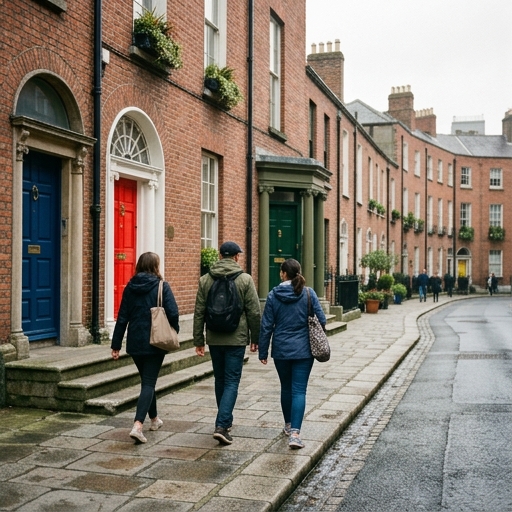
Small group walking through a Dublin street, candid travel photography
  • Layer your clothing. Dublin weather shifts quickly. A light waterproof jacket and a warm mid-layer will cover most days between April and October.
  • Wear comfortable walking shoes. Many of Dublin's most enjoyable areas — Temple Bar, the Liberties, Merrion Square — are best explored on foot over uneven cobbles and paths.
  • Carry a reusable water bottle. Dublin tap water is safe to drink and there are refill points in several parks and public spaces.
  • Plan for cash and card. Most Dublin businesses accept contactless payment, but a few smaller cafes and market stalls still prefer cash.
  • Allow buffer time. Leave at least 30 minutes between planned activities. Dublin's charm is often in the unplanned — a street musician on Grafton Street, a quiet garden you did not know about.
  • Check coastal conditions. If you are planning a day trip to Howth or along the coast, wind and tide conditions can change the experience significantly. Check the morning of your trip.

Neighbourhood notes worth knowing

Smithfield and Stoneybatter: These north-side neighbourhoods have a growing number of independent cafes and a quieter atmosphere than the busier south-side tourist areas. Good for a relaxed morning.

Grand Canal Dock: The Docklands area around Grand Canal Square offers wide, flat waterside paths — ideal for pushchairs and wheelchair users. It is also a pleasant evening walk when the light reflects off the water.

Portobello and Harold's Cross: South of the canal, these residential neighbourhoods offer a genuine sense of local Dublin life. The canal towpath connects them to the city centre in a 20-minute walk.

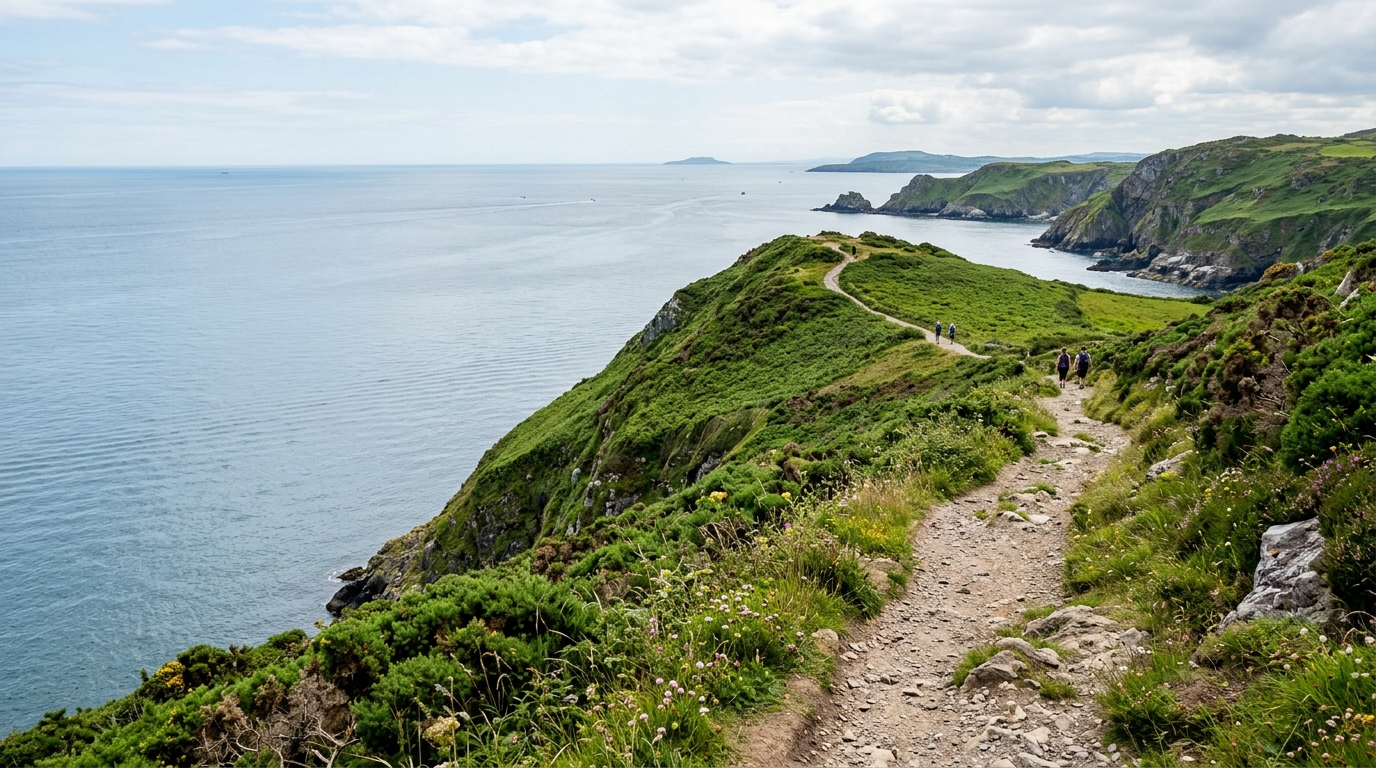
Howth cliff walk: A popular coastal day trip reachable by rail from Connolly or Tara Street stations. The full cliff loop takes roughly two hours. Note that sections are steep and uneven — not suitable for all mobility levels.

Sandymount Strand: A wide, flat beach area accessible from the city. Lovely at low tide for a walk, but check tide times — the water comes in quickly across the flat sand.

Coastal path near Dublin with calm sea and walking figures in the distance

Request your planning conversation

Fill in the details below and we will be in touch to arrange a call. Planning calls are available on weekday evenings and weekend mornings. You can also email [email protected] or call +353 1 912 6873.


Frequently asked questions

Travel daypack and folded jacket on a bench, editorial still life